

How to commission a sculpture: bronze, resin or 3D printed
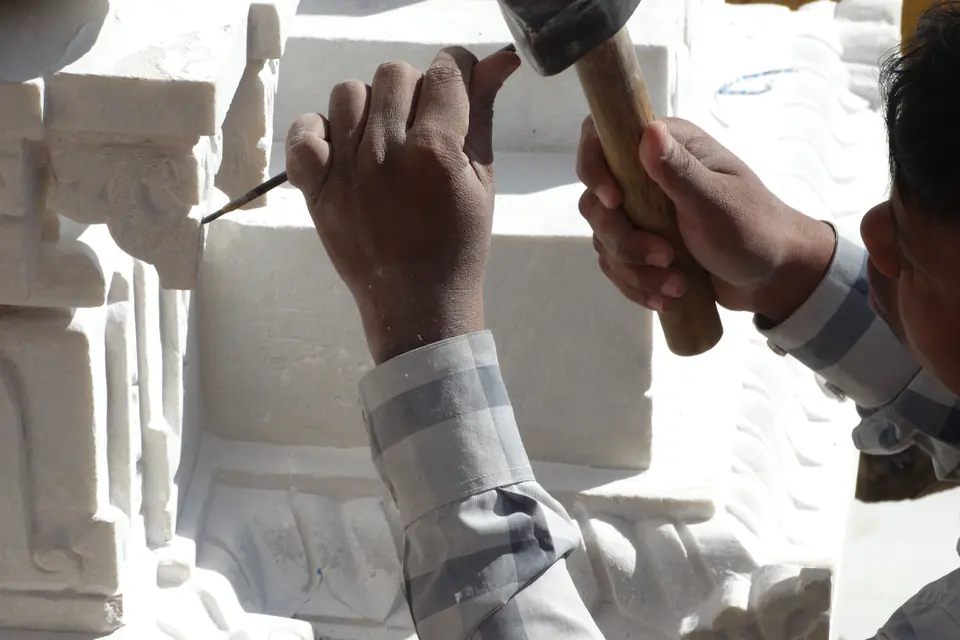
Commissioning a sculpture starts with a brief and a small model, called a maquette, then moves to the full-size piece in the material you choose. Bronze is the most durable and the most expensive: one 2026 cost guide puts small tabletop bronzes at about $1,000–$5,000 and custom life-size commissions at $20,000–$60,000+ [1]. Resin and cold-cast bronze cost less and suit indoor pieces. 3D printing is now used both for small finished sculptures and for making maquettes and casting patterns. Your budget, where the piece will live and how long it must last decide the material.
The usual process
- Brief. Subject, size, material, where it'll stand (indoors, garden, public), budget and deadline.
- Sketches or a digital model for approval.
- Maquette. A small version in clay, wax or a 3D print, so you can see the form in three dimensions before the expensive stage. Changes here are cheap.
- Full-size model. Sculpted by hand, or scanned and enlarged digitally.
- Casting or fabrication in the final material.
- Finishing: chasing, patina, paint or sealing.
- Base, mounting and delivery. Heavy pieces may need engineering and installation.
Agree what's included at each stage, and what changes cost after the maquette is approved.
Bronze
Most fine-art bronze is made by the lost-wax process: a wax version of the sculpture is encased in a ceramic shell, the wax is melted out, molten bronze is poured in, and the casting is cleaned, chased, finished and patinated [1].
ThePricer's 2026 bronze statue guide (updated October 2026) gives these US ranges [1]:
| Bronze piece | Published range |
|---|---|
| Small decorative or tabletop | $1,000–$5,000 |
| Medium garden sculpture | $3,000–$15,000 |
| Custom life-size commission | $20,000–$60,000+ |
| Large or monumental custom | $75,000–$250,000+ |
The same guide breaks down foundry stages, including mould making ($2,000–$8,000), ceramic shell ($1,500–$5,000) and patina and finishing ($500–$3,000), and puts custom production after approved artwork at about 8–24 weeks depending on scale [1]. These figures are for substantial pieces. A small bronze from an independent sculptor working with a local foundry can cost less.
Choose bronze for: outdoor pieces, memorials, heirlooms, editions.
Resin and cold-cast bronze
Resin sculptures are cast from a mould in polyester, polyurethane or epoxy resin, then painted or patinated. Cold-cast bronze is resin mixed with bronze powder, so the surface is metal but the piece isn't. The Antiques Trade Gazette reported calls for clearer rules after some online sellers marketed cold-cast pieces as solid metal [2]. Cold cast is a legitimate, more affordable material. Just know which one you're paying for, and make sure the bid names the material.
Choose resin for: indoor pieces, figures, busts, smaller editions, lower budgets.
3D printed sculpture
3D printing shows up in sculpture in three ways:
- Finished pieces. Resin (SLA/MSLA) printers produce very fine detail for small figures and busts. Filament (FDM) printers suit larger, simpler forms. Prints are sanded, primed and painted, or given a metallic finish.
- Maquettes. A sculptor can model digitally and print a small version for your approval.
- Casting patterns. Foundries use printed patterns in place of hand-made full-size models. For "The Embrace" in Boston, the digital model was split into 608 pieces, printed in PMMA, wax-infiltrated and cast in bronze. The printed patterns melted out like wax [3].
Choose 3D printing for: detailed small sculptures, a quick maquette, or a digital-first design that may later be cast.
Other materials
Carved wood and stone, fabricated steel or aluminium, ceramics, and mixed media are all commissionable. Each has its own specialists, so describe the look you want and let sculptors suggest a material.
Material comparison
| Bronze | Resin / cold cast | 3D printed | |
|---|---|---|---|
| Outdoors | Yes | Depends on the resin and finish; ask | Usually indoor unless cast or sealed |
| Weight | Heavy | Light | Light |
| Relative cost | Highest | Lower | Lower for small pieces |
| Editions | Yes, from the mould | Yes, from the mould | Yes, from the file |
| Typical lead time | Months [1] | Weeks to months | Days to weeks |
How to brief a sculptor
- Subject, with reference photos you own (from several angles for a person or animal).
- Size, and whether that includes the base.
- Material, or say you're open.
- Location: indoors or outdoors, and the climate.
- Budget and deadline.
- Edition: a single piece, or several casts.
- Rights: who may make further casts or prints. Agree this in writing.
Commissioning through The Spool List
The Spool List matches jobs to makers by their verified machines and skills: sculptors, 3D printing makers with resin or filament printers, and makers who finish and paint. Post your sculpture brief once, free. Makers bid with a price and a timeline. You pay when you accept, the payment is protected, and the maker is paid when you confirm delivery. See how it works, our price guide, the sculpture section of this site, and the art and sculpting market on The Spool List.
Post your sculpture commission free.
FAQ
What is a maquette?
A small preliminary model of a sculpture. It lets you approve the form before the full-size work.
How long does a bronze commission take?
ThePricer puts custom production after approved artwork at about 8–24 weeks, with more time for sculpting, approvals and installation [1].
Is cold-cast bronze real bronze?
It's resin with bronze powder [2]. It looks like bronze but weighs and wears differently.
Can a 3D printed maquette be cast in bronze?
Printed patterns are used in foundries [3]. Ask the sculptor and foundry how they'd handle your piece.